Scrambled eggs are one of those dishes people assume they’ve already mastered. After all, how complicated can it be to beat a few eggs and cook them in a pan?
But the reality is very different. Scrambled eggs are one of the most commonly mishandled breakfast foods in home kitchens. The difference between dry, rubbery eggs and soft, custard-like scrambled eggs comes down to precision rather than effort.
What looks like a simple recipe is actually a small lesson in heat control, protein behavior, and timing. When done correctly, scrambled eggs transform into something silky, rich, and almost luxurious. When done incorrectly, they become tough, watery, or uneven.
This guide breaks down the process in a way that is easy to follow but deeply effective, helping you consistently produce fluffy scrambled eggs with a creamy texture every single time.
🔬 The Culinary Science Behind Perfect Scrambled Eggs
Eggs are mostly water and protein. When heat is applied, those proteins tighten and bond together. This is what turns liquid eggs into a solid.
The challenge is that this process happens quickly—and if it happens too aggressively, the proteins squeeze out moisture. That’s when eggs become dry or rubbery.
To avoid this, we focus on three key principles:
🔥 1. Gentle heat control
Low heat slows down protein tightening, keeping eggs soft.
🧈 2. Fat for protection
Butter or cream coats proteins and reduces moisture loss.
🥄 3. Movement during cooking
Continuous stirring prevents uneven cooking and keeps texture smooth.
Instead of thinking of scrambled eggs as “fried eggs that are broken up,” think of them as a soft egg custard gently set over heat.
🍽 What Makes This Scrambled Egg Method Different
This method is designed specifically for home cooks who want consistency without complexity.
It focuses on:
- Creating soft curds instead of dry chunks
- Preserving moisture for a creamy finish
- Preventing overcooking with early removal
- Using simple ingredients that enhance texture naturally
The goal is not speed—it’s control.
Once you understand how heat interacts with eggs, you’ll realize the entire dish is about timing and patience rather than ingredients.
🧾 Ingredient Breakdown (Simple but Purposeful)
This recipe uses only a few ingredients, but each plays a critical role in achieving creamy scrambled eggs.
🥚 Eggs (3 large eggs)
The foundation of the dish. Fresh eggs produce better flavor, structure, and richness.
🥛 Milk or heavy cream (1 tablespoon)
This small amount adds moisture and softens the egg proteins during cooking.
- Milk → lighter texture
- Heavy cream → richer, more indulgent eggs
🧈 Butter (1 teaspoon)
Butter provides:
- Flavor depth
- Smooth texture
- Non-stick cooking surface
🧂 Salt (to taste)
Enhances the natural flavor of eggs and balances richness.
🌶 Black pepper (to taste)
Adds mild spice and aroma.
🌿 Optional add-ins
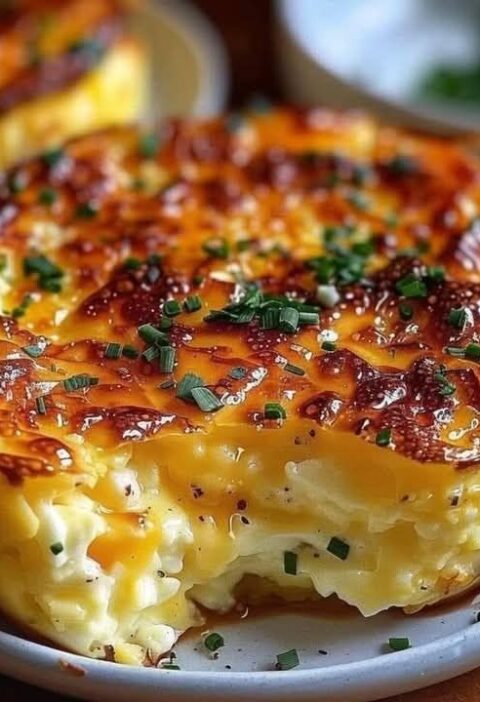
- Fresh chives → freshness and color
- Shredded cheese → extra creaminess and savory depth
🍳 Step-by-Step Method for Soft, Creamy Scrambled Eggs
🥄 Step 1: Proper egg preparation
Crack the eggs into a bowl and whisk thoroughly until the mixture becomes fully blended and slightly frothy.
This step is important because:
- It distributes fat evenly
- It introduces air for fluffiness
- It creates a uniform texture
Add:
- milk or heavy cream
- salt
- black pepper
Whisk again until smooth and consistent.
🔥 Step 2: Gentle pan heating
Place a nonstick pan on low heat.
Add butter and allow it to melt slowly. The butter should:
- Melt evenly
- Not brown
- Not sizzle aggressively
If butter starts to brown, the heat is too high.
🥚 Step 3: Pouring the eggs
Pour the egg mixture into the pan.
Let it sit undisturbed for a few seconds so the edges begin to set slightly.
This short resting moment helps form the first soft curds.
🍳 Step 4: Slow, continuous stirring
Using a spatula, gently push the eggs from the edges toward the center.
The movement should be:
- Slow
- Gentle
- Continuous
This ensures:
- Even cooking
- Soft curds
- No browning or dryness
Avoid aggressive stirring or fast scrambling.
🧈 Step 5: The early removal technique
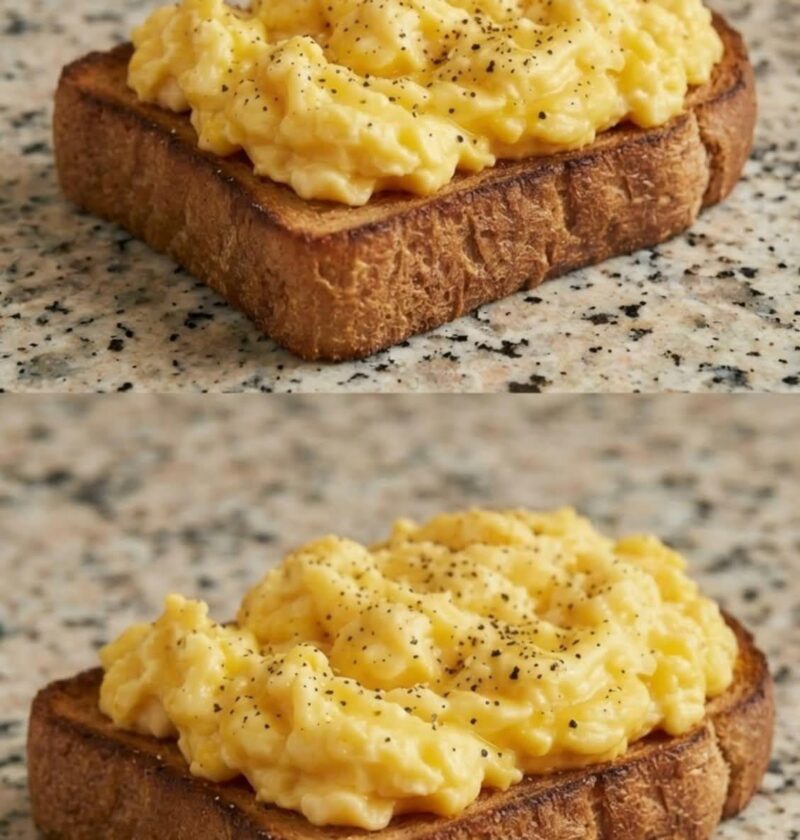
Remove the pan from heat while the eggs still look slightly glossy and soft.
This is crucial.
Why it works:
- Residual heat continues cooking the eggs
- Prevents overcooking
- Locks in moisture
This step is what gives restaurant-style scrambled eggs their signature softness.
🌿 Step 6: Final finishing touches
Add optional ingredients like:
- chopped chives
- shredded cheese
Stir gently and serve immediately.
Scrambled eggs should never sit in the pan—they continue cooking and lose texture quickly.
🧑🍳 Professional Tips for Better Scrambled Eggs
🔥 Always cook on low heat
High heat is the most common mistake and leads to rubbery eggs.
🧈 Butter is essential
It improves flavor and prevents sticking while keeping texture soft.
🥄 Stir gently, not aggressively
Overmixing breaks curds and creates uneven texture.
⏳ Remove before fully set
Slightly undercooked eggs finish perfectly off heat.
🍳 Use a nonstick pan
Prevents sticking and ensures smooth stirring.
❌ Common Scrambled Egg Mistakes to Avoid
- Cooking on high heat
- Overcooking until dry
- Not whisking enough
- Leaving eggs in the pan after cooking
- Skipping butter or fat
🍽 Serving Suggestions
Soft scrambled eggs pair beautifully with:
- Toast or buttered bread
- Avocado slices
- Breakfast potatoes
- Fresh salads
- Breakfast wraps or sandwiches
They also work well as a protein base for bowls or brunch plates.
🧊 Storage & Reheating Notes
Scrambled eggs are best eaten fresh, but if needed:
- Store in an airtight container for up to 24 hours
- Reheat gently on low heat with a small amount of butter
Avoid microwaving when possible, as it can toughen the texture.
🌟 Final Thoughts
Perfect scrambled eggs are not about complexity—they are about awareness.
Once you understand how heat, fat, and movement interact, you can consistently produce eggs that are soft, creamy, and restaurant-quality.
It’s one of the simplest recipes in the kitchen, yet one of the most rewarding to master.