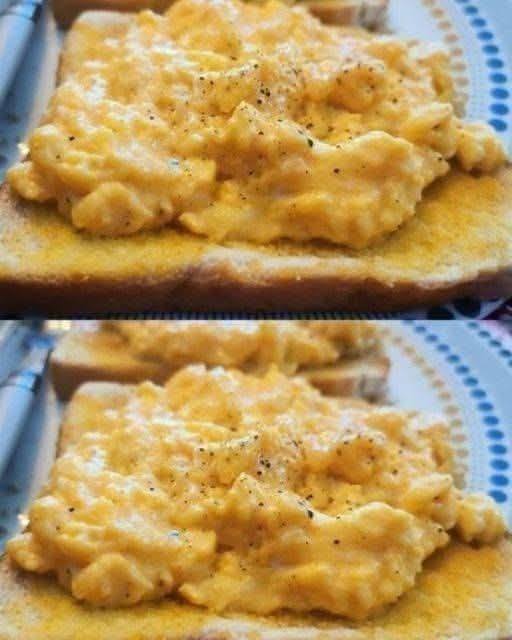
Few breakfast foods are as comforting, quick, and universally loved as perfectly cooked scrambled eggs. Soft, creamy eggs with a rich buttery texture are one of the simplest meals to make, yet they can also be one of the easiest to overcook. The difference between dry, rubbery eggs and silky, restaurant-style scrambled eggs often comes down to a few small cooking techniques.
This easy scrambled eggs recipe is designed to help you make fluffy, creamy eggs every single time using basic kitchen tools and simple ingredients. Whether you enjoy them on buttery toast, tucked into a breakfast burrito, paired with crispy bacon, or served alongside fresh vegetables, scrambled eggs remain one of the most versatile breakfast recipes in the world.
The beauty of scrambled eggs lies in their simplicity. With only eggs, butter, and gentle heat, you can create a rich, satisfying breakfast in minutes. However, mastering the perfect texture requires understanding how heat, timing, and movement affect the eggs during cooking.
Soft scrambled eggs should be tender, moist, creamy, and slightly glossy — never dry or overcooked. This guide walks through every important detail, from choosing ingredients to cooking techniques, helping you create café-style scrambled eggs at home with confidence.
Whether you prefer soft scrambled eggs, fluffy diner-style eggs, or protein-packed breakfast bowls, this classic breakfast recipe can easily be adapted to fit your tastes.
Why Scrambled Eggs Are One of the Most Popular Breakfast Foods
Scrambled eggs have remained a breakfast staple for generations because they are:
- Quick to prepare
- Affordable
- High in protein
- Nutrient-rich
- Extremely versatile
- Beginner-friendly
- Easy to customize
- Suitable for any meal of the day
They can be served plain for a simple breakfast or transformed into a more filling meal with vegetables, cheese, meats, herbs, or toast.
Because eggs cook quickly, scrambled eggs are ideal for busy mornings while still feeling comforting and homemade.
The Secret to Soft and Creamy Scrambled Eggs
Many people accidentally overcook scrambled eggs because eggs continue cooking even after leaving the heat.
The key to creamy scrambled eggs is gentle cooking over low or medium-low heat. Slow cooking allows the egg proteins to set gradually without squeezing out moisture.
Perfect scrambled eggs should have:
- Soft curds
- Creamy texture
- Light fluffy consistency
- Slight shine
- Tender bite
Cooking eggs too quickly over high heat creates dry, firm, rubbery curds instead of soft folds.
The best scrambled eggs are removed from the heat while they still look slightly underdone because residual heat finishes the cooking process naturally.
Why Butter Creates Better Flavor
Butter is one of the best ingredients for scrambled eggs because it adds richness and enhances texture.
As butter melts into the eggs during cooking, it helps create:
- Creamier consistency
- Richer flavor
- Softer curds
- Better browning prevention
Unsalted butter is especially useful because it allows better control over seasoning.
Oil can also be used for dairy-free cooking, though butter typically produces superior flavor and softer texture.
Popular alternatives include:
- Olive oil
- Avocado oil
- Ghee
- Plant-based butter
Choosing the Best Eggs
Fresh eggs create the best scrambled eggs because they have stronger structure and brighter flavor.
High-quality eggs often produce:
- Richer yolk color
- Better texture
- More flavor
- Creamier consistency
Large eggs are generally ideal because they cook evenly and provide standard serving sizes.
For extra-rich scrambled eggs, some cooks even add an additional yolk.
Why Whisking Matters
Whisking combines the egg whites and yolks evenly while incorporating a small amount of air for fluffiness.
The goal is to fully blend the eggs without overbeating them.
Proper whisking creates:
- Even texture
- Uniform cooking
- Softer curds
- Better consistency
A fork works perfectly well, though a whisk can produce slightly fluffier eggs.
Some cooks add milk or cream during whisking for additional richness, though many chefs prefer eggs without added liquid for stronger flavor.
Should You Add Milk or Cream?
Adding milk or cream is optional and depends on personal preference.
Benefits of Milk or Cream
- Slightly creamier texture
- Softer consistency
- Richer mouthfeel
- More volume
Potential Downsides
Too much liquid can dilute egg flavor and sometimes create watery texture.
Heavy cream adds more richness than milk because of its higher fat content.
If using milk or cream, only a small amount is needed.
Why Low Heat Is Essential
One of the biggest mistakes people make when cooking scrambled eggs is using high heat.
Egg proteins cook very quickly, and excessive heat causes them to tighten rapidly, squeezing out moisture.
Low heat creates:
- Creamier eggs
- Better texture
- Smaller soft curds
- More even cooking
- Less risk of browning
Cooking slowly may take an extra minute or two, but the improvement in texture is significant.
The Best Pan for Scrambled Eggs
A non-stick frying pan is ideal because eggs release easily and require less fat.
Non-stick pans also help:
- Prevent sticking
- Allow gentle stirring
- Create cleaner curds
- Simplify cleanup
Well-seasoned cast iron can work too, though beginners usually find non-stick cookware easier.
Using a rubber or silicone spatula also helps gently move the eggs without scratching the pan.
How to Cook Scrambled Eggs Properly
The best scrambled eggs are cooked using a slow folding technique rather than aggressive stirring.
Here’s why gentle folding matters:
- Creates larger soft curds
- Prevents overcooking
- Maintains creamy texture
- Encourages even cooking
Allowing the eggs to sit briefly between folds also helps soft curds form naturally.
Constant rapid stirring creates much smaller curds and firmer texture.
Why Residual Heat Finishes the Eggs
Eggs continue cooking after the pan leaves the stove due to retained heat in both the eggs and pan.
This final gentle cooking stage is critical for soft scrambled eggs.
Removing the eggs slightly early prevents:
- Dry texture
- Tough curds
- Overcooking
- Loss of creaminess
Restaurant-quality scrambled eggs are usually taken off the heat while still slightly glossy.
Popular Styles of Scrambled Eggs
Different cooking methods create different textures.
Soft Scrambled Eggs
- Low heat
- Slow cooking
- Creamy texture
- Slightly loose consistency
Hard Scrambled Eggs
- Higher heat
- Fully set curds
- Firmer texture
- Great for sandwiches or burritos
French-Style Scrambled Eggs
- Extremely soft and custardy
- Constant stirring
- Very low heat
Diner-Style Eggs
- Large fluffy curds
- Faster cooking
- Slightly firmer texture
Delicious Add-Ins for Scrambled Eggs
One of the reasons scrambled eggs are so popular is how easy they are to customize.
Cheese Additions
Cheese melts beautifully into warm eggs:
- Cheddar
- Feta
- Goat cheese
- Mozzarella
- Parmesan
Vegetables
Vegetables add nutrition and flavor:
- Mushrooms
- Spinach
- Tomatoes
- Bell peppers
- Onions
- Avocado
Cook watery vegetables beforehand for best texture.
Protein Additions
Boost protein and flavor with:
- Bacon
- Ham
- Sausage
- Smoked salmon
- Turkey
Fresh Herbs
Herbs brighten the richness of eggs:
- Chives
- Dill
- Parsley
- Basil
- Cilantro
Best Ways to Serve Scrambled Eggs
Scrambled eggs work for breakfast, lunch, dinner, or snacks.
Breakfast Ideas
- Toast
- Bagels
- English muffins
- Breakfast potatoes
- Pancakes
Healthy Pairings
- Avocado
- Sautéed spinach
- Fresh tomatoes
- Roasted vegetables
Hearty Meals
- Breakfast burritos
- Breakfast sandwiches
- Rice bowls
- Grain bowls
Common Mistakes to Avoid
Cooking Too Fast
High heat dries out eggs quickly.
Overmixing
Too much stirring creates tiny dry curds.
Overcooking
Eggs should still look slightly soft when removed from heat.
Using a Cold Pan
Butter should melt evenly before adding eggs.
Adding Too Much Liquid
Too much milk may dilute flavor.
Are Scrambled Eggs Healthy?
Eggs are naturally rich in:
- Protein
- Vitamin D
- Choline
- Healthy fats
- B vitamins
Scrambled eggs can fit into many diets, including:
- Low-carb diets
- Keto diets
- High-protein meal plans
- Gluten-free diets
Healthier versions can include vegetables and lean proteins for balanced nutrition.
Frequently Asked Questions
Why are my scrambled eggs watery?
Usually from overcooking or adding too much liquid.
Should I season before or after cooking?
Many cooks prefer seasoning near the end to reduce moisture release.
Can I make scrambled eggs without butter?
Yes. Oil or dairy-free butter alternatives work well.
What’s the best heat level?
Low to medium-low heat creates the softest texture.
How do restaurants make eggs so creamy?
Gentle heat, constant attention, and removing eggs early are key.
Final Thoughts
Perfect scrambled eggs are one of the simplest yet most satisfying breakfast foods you can learn to make. With just a few ingredients and proper technique, you can create fluffy, creamy eggs that taste comforting, rich, and restaurant-quality every time.
Whether you enjoy them plain, topped with herbs and cheese, folded into breakfast burritos, or piled onto crispy toast, scrambled eggs remain one of the most versatile and reliable meals for any time of day.
Once you master the balance of low heat, gentle stirring, and proper timing, making soft creamy scrambled eggs becomes fast, easy, and nearly foolproof.
Part 2: Easy Creamy Scrambled Eggs Recipe
Soft and Fluffy Breakfast Scrambled Eggs
Prep Time
5 minutes
Cook Time
5 minutes
Servings
1 serving
Equipment Needed
- Non-stick frying pan
- Mixing bowl
- Fork or whisk
- Silicone spatula
Ingredients
| Ingredient | Quantity | Notes |
|---|---|---|
| Large eggs | 3–4 | Fresh eggs recommended |
| Milk or heavy cream | 1–2 tbsp | Optional for creaminess |
| Butter or oil | ½ tbsp | Butter gives richer flavor |
| Salt | To taste | Add lightly |
| Black pepper | To taste | Freshly cracked preferred |
Instructions
Step 1: Whisk the Eggs
Crack eggs into a mixing bowl. Add a pinch of salt and optional milk or cream. Whisk gently until fully combined.
Step 2: Heat the Pan
Place a non-stick skillet over medium-low heat. Add butter and allow it to melt without browning.
Step 3: Cook Slowly
Pour eggs into the pan. Let them sit briefly, then gently push the cooked edges toward the center using a spatula.
Continue folding and stirring gently for 2–3 minutes until soft curds form.
Step 4: Remove from Heat
Take the pan off the heat while the eggs still look slightly glossy and soft. Residual heat will finish cooking them.
Step 5: Serve Immediately
Season with black pepper and serve warm.
Optional Add-Ins
- Cheddar cheese
- Crumbled bacon
- Sautéed mushrooms
- Spinach
- Chopped herbs
- Avocado slices
Serving Ideas
- Toast with avocado
- Breakfast burritos
- English muffins
- Breakfast bowls
- Side of roasted vegetables
Storage Tips
Refrigerator
Store leftovers in an airtight container for up to 1 day.
Reheating
Warm gently over low heat to avoid drying out.
Freezing
Not recommended for best texture.