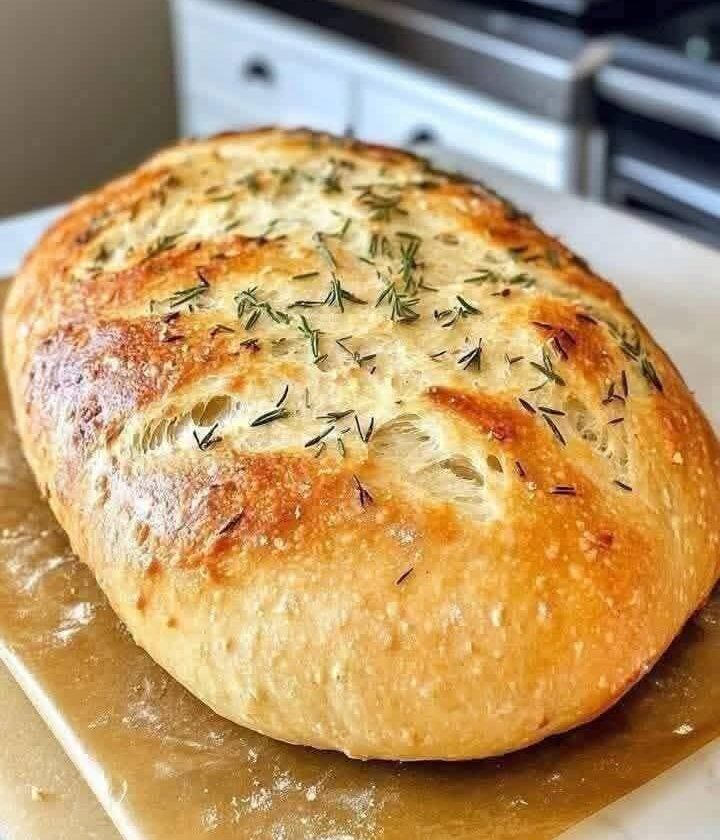
There’s something incredibly comforting about baking fresh bread at home. The warm aroma filling the kitchen, the soft texture inside, and the golden crust on the outside create a homemade experience that feels simple, cozy, and satisfying. This soft no-yeast bread recipe is perfect for anyone looking for an easy homemade bread without using yeast, eggs, or butter. Despite using basic pantry ingredients, this bread turns out fluffy, tender, and delicious every single time.
Many people avoid making homemade bread because traditional bread recipes usually require yeast, rising time, kneading, and complicated baking techniques. This easy eggless bread recipe changes everything. It’s simple enough for beginners while still delivering bakery-style softness and comforting flavor.
Because this bread contains no eggs and no butter, it’s also ideal for people looking for budget-friendly baking recipes or simple dairy-light alternatives. The texture remains soft and moist while the flavor stays light and versatile enough to enjoy with breakfast, soups, sandwiches, or tea.
This homemade quick bread recipe has become increasingly popular because it requires:
- No yeast
- No eggs
- No butter
- Minimal ingredients
- Easy preparation
- Very little baking experience
Whether you’re baking for your family, preparing fresh bread for breakfast, or simply craving homemade comfort food, this soft no-yeast bread is one of the easiest and most rewarding recipes to make at home.
Why No-Yeast Bread Recipes Are So Popular
Homemade bread recipes continue ranking among the most searched comfort-food recipes because fresh bread is universally loved.
However, many traditional bread recipes require:
- Active yeast
- Long proofing times
- Kneading
- Multiple rises
- Advanced baking skills
No-yeast bread recipes eliminate those complicated steps while still producing delicious homemade bread.
This recipe stands out because it creates:
- Soft texture
- Tender crumb
- Light flavor
- Quick preparation
- Beginner-friendly results
Unlike traditional yeast breads that can take hours to prepare, this bread comes together much faster and more easily.
That convenience makes it ideal for:
- Busy weeknights
- Beginner bakers
- Emergency bread cravings
- Budget-friendly baking
- Simple homemade meals
The Comfort of Homemade Bread
Few foods create the same sense of comfort as freshly baked bread.
The smell alone instantly brings feelings of:
- Warm kitchens
- Family meals
- Cozy mornings
- Homemade comfort food
- Traditional baking
Fresh bread has remained one of the world’s most beloved foods because it feels simple, nourishing, and satisfying.
This easy homemade bread recipe captures that comforting experience without requiring advanced baking knowledge.
The result is soft bread with a light texture and delicious homemade flavor perfect for everyday use.
Why This Bread Works Without Yeast
Traditional yeast bread rises because yeast produces air bubbles during fermentation.
This no-yeast bread recipe instead relies on baking powder or similar leavening ingredients to create lift and softness.
The result is:
- Faster preparation
- No proofing time
- Simpler baking process
- Reliable texture
Because there’s no yeast involved, you don’t need to worry about water temperature, rising conditions, or fermentation problems.
That simplicity makes this one of the best bread recipes for beginners.
Eggless Bread That Still Stays Soft
Eggs are commonly used in baking for structure and moisture, but this bread proves they aren’t always necessary.
This egg-free bread recipe remains soft because of:
- Balanced liquid ingredients
- Proper mixing
- Moisture-retaining flour structure
- Correct baking temperature
Many people specifically search for eggless bread recipes because of:
- Allergies
- Dietary preferences
- Ingredient shortages
- Budget-friendly cooking
This recipe delivers soft texture without sacrificing flavor or quality.
The finished loaf slices beautifully and stays tender enough for sandwiches or toast.
Why No-Butter Baking Can Still Taste Rich
Butter often adds richness to baked goods, but it isn’t essential for delicious homemade bread.
Using alternatives like oil helps create:
- Moist texture
- Soft crumb
- Light flavor
- Better shelf life
Oil-based breads often stay softer longer than butter-based breads because oil remains liquid at room temperature.
This makes the bread especially practical for:
- Meal prep
- Make-ahead baking
- Family breakfasts
- Sandwich preparation
The flavor remains neutral enough to pair with both sweet and savory foods.
The Texture of This Bread
One of the best features of this homemade bread recipe is its incredibly soft texture.
The interior becomes:
- Tender
- Fluffy
- Moist
- Light
While the outside develops:
- Gentle golden crust
- Slight crispness
- Beautiful baked color
The balance between soft crumb and lightly baked exterior creates bakery-style texture without complicated techniques.
Because the bread stays soft, it’s excellent for:
- Sandwiches
- Toast
- Garlic bread
- Breakfast spreads
- Tea-time snacks
Why Beginners Love This Recipe
Easy bread recipes continue growing in popularity because many people want homemade baking without complicated methods.
This recipe is especially beginner-friendly because it:
- Uses simple pantry ingredients
- Requires minimal preparation
- Needs no kneading expertise
- Avoids yeast complications
- Bakes quickly
Even first-time bakers can achieve satisfying results.
The straightforward process makes this recipe approachable and stress-free.
Perfect for Budget-Friendly Baking
Homemade bread is often far more affordable than bakery bread.
This no-yeast version is especially budget-friendly because it eliminates expensive ingredients like:
- Butter
- Eggs
- Specialty yeast
Using basic pantry staples makes this recipe economical while still producing delicious results.
That affordability is one reason simple bread recipes remain popular worldwide.
Best Ways to Serve This Bread
This versatile bread pairs beautifully with many meals and toppings.
Breakfast Ideas
- Jam
- Honey
- Peanut butter
- Cream cheese
Savory Pairings
- Soups
- Stews
- Pasta dishes
- Salads
Snack Ideas
- Toasted slices
- Garlic bread
- Sandwiches
Its mild flavor complements both sweet and savory foods perfectly.
Helpful Tips for Soft Homemade Bread
Small baking techniques can improve texture and consistency significantly.
Don’t Overmix the Dough
Overmixing can make bread dense.
Measure Ingredients Carefully
Accurate flour measurement helps maintain softness.
Use Fresh Baking Powder
Fresh leavening creates better rise.
Avoid Overbaking
Too much baking time can dry the bread.
Let Bread Cool Slightly
Cooling helps improve texture before slicing.
These simple tips help create softer and fluffier homemade bread.
Why Homemade Bread Smells So Amazing
The aroma of fresh bread baking is one of the most comforting kitchen experiences.
As the dough bakes, warm toasted flour and golden crust create:
- Cozy atmosphere
- Bakery-style aroma
- Comfort-food feeling
- Homemade warmth
That smell alone often makes homemade bread feel extra satisfying.
Fresh bread baking also creates emotional connection to traditional home cooking and family meals.
Easy Variations You Can Try
This simple bread recipe is easy to customize with extra ingredients and flavors.
Herb Bread
Add oregano or rosemary.
Garlic Bread
Mix garlic powder into the dough.
Cheese Bread
Add shredded cheese before baking.
Sweet Version
Add cinnamon and sugar.
Whole Wheat Option
Replace part of the flour with whole wheat flour.
These variations help personalize the bread while maintaining the soft texture.
Why Quick Bread Recipes Continue Trending
Quick breads have become extremely popular because modern home cooks often want:
- Faster recipes
- Simpler preparation
- Fewer ingredients
- Beginner-friendly baking
This recipe fits perfectly into that trend.
Without waiting hours for dough to rise, homemade bread becomes far more accessible for busy schedules.
Quick breads also offer more reliable results for inexperienced bakers.
Storage Tips for Homemade Bread
Proper storage helps maintain freshness and softness.
Room Temperature
Store in airtight container up to 3 days.
Refrigerator
Can dry bread slightly, so avoid if possible.
Freezer
Freeze sliced bread up to 2 months.
To refresh texture, lightly warm slices before serving.
Because this bread contains no preservatives, homemade freshness is best enjoyed within the first few days.
Why Soft Bread Recipes Are Always Loved
Soft homemade bread continues remaining one of the most comforting foods because it feels:
- Warm
- Familiar
- Filling
- Homemade
- Versatile
The combination of fluffy texture and fresh-baked aroma creates universal comfort that appeals across generations.
Simple bread recipes also encourage more people to enjoy baking at home.
Homemade Bread for Every Occasion
This bread works beautifully for many situations.
Family Breakfasts
Fresh toast or jam-covered slices.
Lunch Sandwiches
Soft enough for fillings and spreads.
Dinner Side Dish
Perfect beside soups and pasta.
Tea-Time Snack
Warm slice with butter alternative or honey.
Because the flavor remains balanced and mild, it complements almost every meal.
Final Thoughts on Soft No-Yeast Bread
This soft homemade no-yeast bread proves that baking delicious bread doesn’t require complicated ingredients or advanced baking skills. Without using yeast, eggs, or butter, this easy recipe still creates fluffy texture, tender crumb, and comforting homemade flavor.
Perfect for beginners, busy families, budget-friendly meals, or simple comfort-food baking, this bread recipe delivers satisfying results with minimal effort.
If you love easy homemade baking, soft bread recipes, or quick comfort-food classics, this no-yeast bread deserves a permanent place in your kitchen recipe collection.
Part 2 – Simple Recipe Card
Soft No-Yeast Bread
Ingredients
- 2 cups all-purpose flour
- 1 tablespoon baking powder
- 1 teaspoon salt
- 1 tablespoon sugar
- 1 cup milk or plant-based milk
- ¼ cup vegetable oil
Optional Additions
- Garlic powder
- Dried herbs
- Shredded cheese
- Sesame seeds
Instructions
- Preheat oven to 350°F (175°C). Grease a loaf pan or line with parchment paper.
- In a large mixing bowl, combine flour, baking powder, salt, and sugar.
- Add milk and vegetable oil. Stir until a soft dough forms.
- Transfer dough into prepared loaf pan and smooth the top.
- Bake for 30–40 minutes or until golden brown and fully cooked inside.
- Allow bread to cool slightly before slicing.
- Serve warm or toasted.
Helpful Tips
- Do not overmix the batter for softer texture.
- Use fresh baking powder for better rise.
- Add herbs or garlic for extra flavor.
- Store in airtight container to keep bread soft.