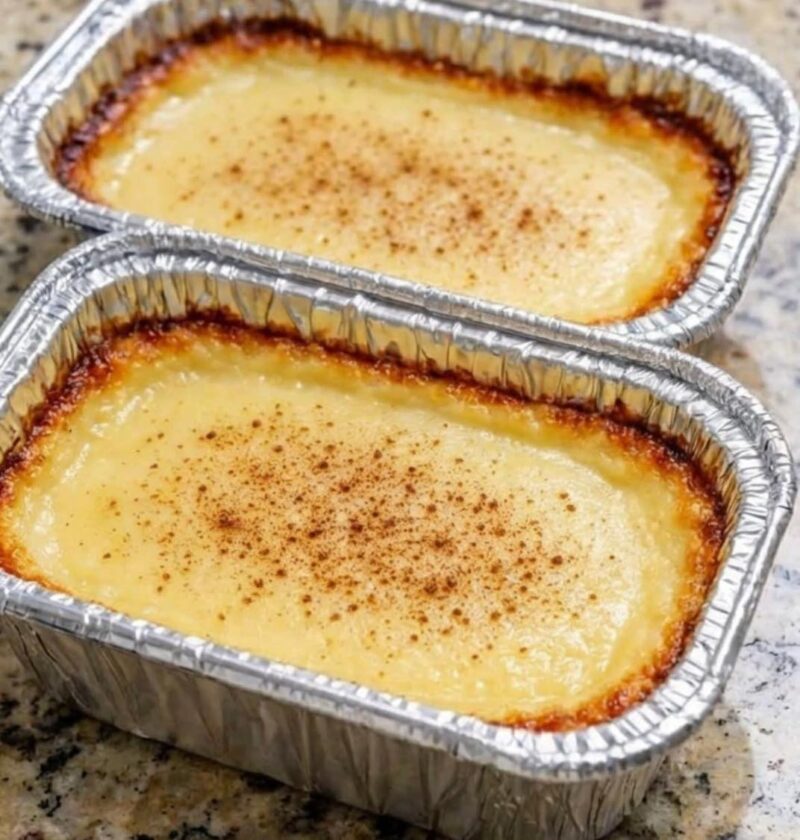
There is something timeless and deeply comforting about a classic baked egg custard. Long before elaborate cakes, layered pastries, and modern no-bake desserts became popular, families relied on simple pantry staples to create warm and satisfying sweets at home. This traditional baked custard recipe is proof that a few everyday ingredients can transform into something rich, smooth, delicate, and unforgettable.
Made with wholesome eggs, milk, and sugar, this old-fashioned custard dessert delivers a silky texture with a lightly sweet flavor that feels both nostalgic and elegant. It is one of those easy homemade desserts that never goes out of style because it focuses on simplicity, balance, and comfort.
Unlike heavy puddings or overly sweet bakery desserts, baked egg custard has a naturally light and creamy consistency. Every spoonful melts gently in your mouth with a soft, velvety finish. The gentle baking method allows the custard to set slowly while maintaining its smooth texture. This traditional technique creates a delicate dessert with no cracks, no graininess, and no complicated preparation.
One of the best things about this homemade baked custard is how affordable and accessible it is. Most kitchens already contain the ingredients needed to prepare it. Whether you are looking for a budget-friendly dessert recipe, a gluten-free sweet treat, or a quick family dessert idea, this recipe fits perfectly into any occasion.
Because it contains no flour and no nuts, it is naturally gluten-free and nut-free, making it suitable for many dietary preferences. It is also an ideal dessert for beginner bakers because the steps are simple, straightforward, and highly reliable when followed carefully.
The beauty of this creamy custard recipe lies in its versatility. It can be served warm for a cozy winter dessert or chilled for a refreshing summer treat. Some enjoy it plain and simple, while others love adding a light dusting of cinnamon, nutmeg, or fresh fruit on top. No matter how you serve it, the smooth texture and comforting flavor always shine.
Why Homemade Egg Custard Remains So Popular
Traditional desserts often survive for generations because they offer more than taste alone. They create memories. Baked egg custard is one of those desserts that reminds people of family dinners, holiday tables, and homemade comfort food prepared with care.
In many homes, custard recipes were passed down from grandparents who knew how to make satisfying desserts from basic ingredients. During times when expensive ingredients were not available, recipes like this became treasured staples because they were economical, filling, and delicious.
Today, this old-fashioned baked custard remains popular because modern cooks appreciate recipes that are both simple and authentic. There is no need for fancy equipment, expensive cream, or complicated techniques. The ingredients are humble, but the result tastes luxurious.
Another reason this dessert continues to trend online is because many people are searching for:
- Easy baked custard recipe
- Homemade egg custard
- Traditional custard dessert
- Creamy baked pudding
- Gluten-free custard recipe
- Simple milk and egg dessert
- Classic comfort desserts
- Old-fashioned desserts from scratch
This recipe naturally satisfies all of those searches while staying true to the original homemade style.
The Secret to Silky Smooth Custard
Many people assume custard is difficult to make, but the truth is that a few simple techniques create perfect results every time.
The most important factor is gentle heat. Custard is delicate because eggs cook quickly. If exposed to high temperatures, the eggs tighten too fast and create a scrambled or grainy texture. Slow baking allows the eggs and milk to combine gradually into a creamy dessert.
That is why the water bath method, also called a bain-marie, is essential. Placing the custard dish inside a larger pan filled with hot water helps regulate heat distribution during baking. This prevents overheating and creates the signature smooth texture associated with professional custard desserts.
Another helpful technique is warming the milk slightly before mixing. Warm milk dissolves the sugar more evenly and blends smoothly into the eggs. However, the milk should never be boiling hot because excessive heat may begin cooking the eggs too early.
Whisking gently is equally important. Overmixing introduces too much air into the custard base, which can create bubbles or foam during baking. A calm, gentle whisk creates the smoothest consistency.
Straining the mixture through a fine sieve is another classic bakery trick. This removes any tiny egg particles or bubbles and guarantees a silky finish.
Choosing the Best Ingredients for Custard
Although this dessert uses only a few ingredients, ingredient quality still matters.
Eggs
Fresh large eggs provide structure, richness, and that classic custard flavor. Eggs are the foundation of the dessert, helping it set into a creamy texture after baking.
Milk
Whole milk creates the richest and smoothest result because of its natural fat content. However, 2% milk can also be used for a lighter version without dramatically changing the texture.
Plant-based alternatives like oat milk or soy milk work surprisingly well too. Oat milk creates a mild creamy consistency, while soy milk provides extra richness. Thin almond milk is generally less suitable because it can produce a watery texture.
Sugar
Granulated sugar sweetens the custard gently without overpowering the delicate flavor. Since the recipe relies on simplicity, balance is key. The sweetness should complement the eggs and milk rather than dominate them.
Salt
A small pinch of salt enhances the sweetness naturally and improves the overall flavor profile. Even in desserts, salt often acts as a flavor enhancer rather than making food taste salty.
How to Know When Custard Is Properly Baked
One of the most common mistakes in baked custard recipes is overbaking. Custard continues to set slightly as it cools, so it should not be baked until completely firm.
The ideal baked custard should:
- Have set edges
- Maintain a slight jiggle in the center
- Look smooth on top
- Avoid cracks or puffing
If the custard becomes overly firm or develops cracks, it has likely baked too long or at too high a temperature.
Checking the custard near the end of baking time helps ensure perfect texture. Gently shaking the dish should reveal a soft wobble in the center similar to gelatin.
Best Ways to Serve Baked Egg Custard
One reason this dessert remains so beloved is because it pairs beautifully with many flavors while still tasting wonderful on its own.
Traditional Toppings
A sprinkle of ground cinnamon or nutmeg gives the dessert a warm bakery-style finish. These spices complement the creamy flavor perfectly.
Fresh Fruit Pairings
Fresh berries, sliced peaches, poached pears, or cherries add brightness and natural sweetness. Fruit also creates beautiful presentation for dinner parties or holiday meals.
Tea and Coffee Pairings
Because baked custard is light and delicate, it pairs wonderfully with:
- Black tea
- Earl Grey tea
- Chamomile tea
- Espresso
- Cappuccino
- Fresh brewed coffee
Elegant Dessert Ideas
For special occasions, serve chilled custard in ramekins with fresh mint leaves and fruit garnish for an elegant restaurant-style presentation.
Helpful Storage and Make-Ahead Tips
This easy custard dessert is excellent for preparing in advance because chilling actually improves the texture.
Refrigeration
Store covered in the refrigerator for up to 3 days. Placing parchment paper or plastic wrap gently over the surface helps prevent skin formation.
Make Ahead
Many home bakers prefer preparing custard the night before serving because overnight chilling creates an even creamier consistency.
Freezing
Freezing is not recommended because thawing can create a grainy or separated texture.
Common Custard Problems and Solutions
Why Does Custard Taste Too Eggy?
An overly eggy flavor usually happens from:
- Too many eggs
- Overbaking
- High oven temperature
Maintaining the correct milk-to-egg ratio prevents this issue.
Why Did My Custard Crack?
Cracks often result from sudden temperature changes or overheating. A water bath and gentle baking help prevent this.
Why Is My Custard Watery?
Undercooking or inaccurate measurements can lead to watery custard. Ensure the center is softly set before removing it from the oven.
Can I Add Extra Flavor?
Absolutely. Vanilla extract, citrus zest, cinnamon, or nutmeg can add depth while preserving the classic flavor profile.
A Dessert That Celebrates Simplicity
Modern desserts often rely on complicated layers, heavy frostings, and expensive ingredients. Yet this classic baked egg custard proves that true comfort food does not need complexity.
This dessert represents warmth, patience, and homemade goodness. It is soft, gentle, affordable, and deeply satisfying. Whether served after a family dinner or enjoyed quietly with afternoon tea, it creates a feeling of comfort that trendy desserts often cannot match.
The slow baking process, creamy texture, and nostalgic flavor make it a dessert worth returning to again and again. It reminds us that some of the best recipes are the simplest ones—made from ingredients already waiting in the kitchen.
Part 2: Easy Traditional Baked Egg Custard Recipe
Creamy Homemade Custard Ingredients
Serves: 4–6
- 4 large eggs
- 2 cups whole milk or 2% milk
- ½ cup granulated sugar
- Pinch of salt (optional but recommended for balanced sweetness)
Optional Flavor Enhancers
- Light dusting of cinnamon
- Freshly grated nutmeg
- ½ teaspoon vanilla extract
- Fresh berries or poached fruit for serving
Step-by-Step Instructions
Step 1: Prepare the Oven
Preheat oven to 325°F (160°C). Arrange ramekins or one 1-quart baking dish inside a deep roasting pan.
Step 2: Mix the Custard
In a mixing bowl, lightly whisk the eggs until blended. Add slightly warm milk, sugar, and salt. Stir gently until the sugar dissolves and the mixture becomes smooth.
Step 3: Strain for Smooth Texture
Pour the custard mixture through a fine mesh sieve into a jug or bowl. This helps remove bubbles and creates an ultra-creamy consistency.
Step 4: Fill the Baking Dishes
Carefully pour the custard mixture into ramekins or the baking dish.
Step 5: Prepare the Water Bath
Pour hot water into the roasting pan until the water reaches halfway up the sides of the custard dishes.
Step 6: Bake Slowly
Bake for:
- 40–50 minutes for ramekins
- 50–60 minutes for one large dish
The custard is ready when the edges are set but the center still jiggles slightly.
Step 7: Cool and Chill
Remove dishes from the water bath and cool at room temperature. Refrigerate for at least 2 hours before serving for best texture.
Serving Ideas
- Sprinkle with cinnamon or nutmeg
- Top with fresh strawberries or blueberries
- Serve with hot tea or coffee
- Enjoy chilled for a refreshing dessert
Storage Tips
- Refrigerate covered for up to 3 days
- Best served cold after overnight chilling
- Freezing is not recommended